Le Havre, a major seaport in northern France, plays a vital role in global shipping and trade. This article will expC7娱乐官方平台lore the English name of Le Havre port and analyze its position in international shipping from several perspectives. First, we will discuss the historical significance of the port, followed by its current operational capabilities. We will also look into the strategic importance of Le Havre in global trade routes and conclude by examining the future of the port in the context of evolving global maritime trends. Through this comprehensive analysis, we aim to provide a clear understanding of Le Havre’s significance in global logistics and shipping.
Le Havre, whose name in English translates to "The Harbor," has a rich history dating back to its founding in 1517. Established by King Francis I, the port was originally designed to strengthen France’s maritime power. Over the centuries, Le Havre developed into one of France’s key ports, serving as the gateway for trade between France and various international markets. Its strategic location on the Seine River made it an ideal hub for maritime activities and contributed significantly to its growth and importance.
During the 19th and early 20th centuries, the port’s importance surged due to the expansion of global trade networks. Le Havre became an essential point of entry for goods and passengers, especially after the construction of modern infrastructure such as deep-water docks. The port's significance during the industrial revolution cemented its status as a major hub in Europe, connecting France to both the Atlantic and other European nations.
In addition to its economic role, Le Havre also played a symbolic part in French history. After World War II, the port city was rebuilt by architect Auguste Perret, and its modernist urban design earned it a place on the UNESCO World Heritage list. This historical aspect enhances Le Havre’s identity not just as a commercial center, but also as a cultural and architectural landmark.
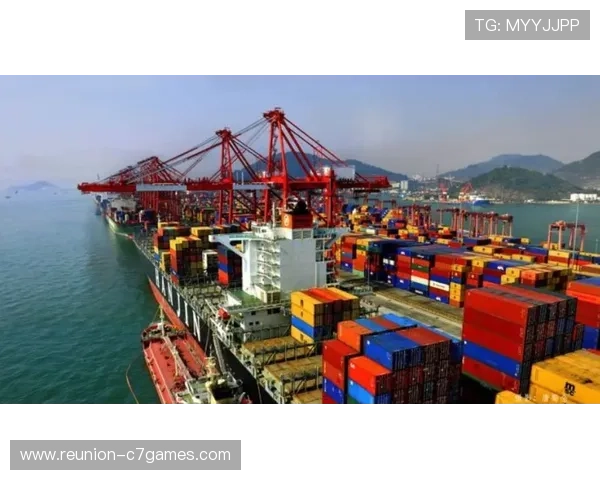
Today, Le Havre is one of the busiest ports in France and ranks as one of Europe’s largest container ports. Its operational capacity is a testament to its strategic importance in the global shipping network. With its vast infrastructure, including multiple deep-water berths and state-of-the-art container terminals, Le Havre handles millions of tons of cargo annually. The port is equipped to accommodate a wide variety of vessels, including large container ships, oil tankers, and bulk carriers.
The port’s modern facilities are designed to optimize efficiency in cargo handling. Automation has been integrated into the operations, with advanced cranes and logistics systems ensuring swift movement of goods. Additionally, Le Havre boasts a highly efficient rail and road network that connects it to the rest of France and Europe, making it an ideal point of entry and exit for goods moving in and out of the European continent.
Another key operational feature is the port’s role in handling specialized cargo, such as chemicals, automobiles, and agricultural products. Le Havre serves as a hub for France’s chemical and pharmaceutical industries, with dedicated facilities for the storage and transport of these sensitive goods. This diverse range of capabilities ensures that the port remains flexible and adaptable to the changing needs of the global market.
Le Havre’s location along the northern coast of France, at the mouth of the Seine River, places it at the crossroads of several important global trade routes. The port’s proximity to major European markets makes it a strategic entry point for goods arriving from or destined for Europe. It is connected to key ports in North America, Asia, and Africa, making it a crucial link in transatlantic and transpacific shipping.
Le Havre also benefits from its integration into the European Union’s transportation network. As part of the so-called "TEN-T" (Trans-European Transport Network), Le Havre is connected to major highways and rail corridors across Europe. This enables the port to serve as a central distribution hub, facilitating the efficient movement of goods throughout the continent. Furthermore, Le Havre is closely linked to the port of Rotterdam, one of the largest ports in the world, enhancing its ability to handle transshipment and container traffic.
The port’s role as a global shipping hub is further reinforced by its participation in major shipping alliances and container shipping services. Le Havre is a key port for several international shipping companies, which use it as a stopover on routes connecting Europe with North America, Latin America, and Asia. This strategic positioning allows Le Havre to attract a high volume of international traffic, boosting its influence in global shipping.
The future of Le Havre port looks promising, as the global shipping industry continues to evolve. One of the key trends shaping the future of the port is the growing demand for sustainability in maritime transport. Le Havre is already taking steps to address environmental concerns by investing in green technologies. The port has been implementing cleaner energy solutions and reducing carbon emissions through initiatives such as the use of renewable energy, electrification of dockside equipment, and the development of eco-friendly transport systems.
Technological advancements will also play a major role in shaping the port’s future. Automation and digitalization are expected to continue transforming Le Havre’s operations. The introduction of advanced tracking and logistics management systems, along with the expansion of automated container handling, will increase efficiency and reduce operational costs. The port is also exploring the use of artificial intelligence and big data analytics to further streamline its operations and enhance its global competitiveness.
Le Havre is also positioning itself to meet the challenges posed by the changing dynamics of global trade. With the shift towards larger container ships and increased demand for efficient supply chain solutions, the port is investing in expanding its facilities to accommodate these new trends. In the coming years, Le Havre is expected to enhance its capacity for handling ultra-large container vessels, solidifying its role as a major player in the global shipping industry.
总结:
Le Havre port’s historical significance, operational capabilities, and strategic location have solidified its position as one of the most important ports in Europe and the world. From its origins as a royal harbor to its current role in global trade, the port has continually adapted to the changing needs of the shipping industry. With its advanced infrastructure, diverse cargo handling capabilities, and strong connectivity to global trade routes, Le Havre will remain a key player in the international shipping landscape.
Looking ahead, the future of Le Havre port is bright. With ongoing investments in technology and sustainability, the port is well-positioned to meet the challenges of the modern maritime industry. As global trade continues to evolve, Le Havre’s role as a hub for transshipment and distribution will only become more vital. The continued modernization and expansion of its facilities will ensure that Le Havre remains a critical link in the global supply chain for many years to come.